Service Delivery
Geographic isolation, limited infrastructure, and resource constraints make service delivery in remote Papua New Guinea complex and costly. Strong partnerships are essential to ensure programs are not only delivered, but delivered well, reaching the people who need them most and creating sustainable, community-led outcomes. Our work and approach align with GoPNG priorities, as well as those of other development partners, including UN agencies.
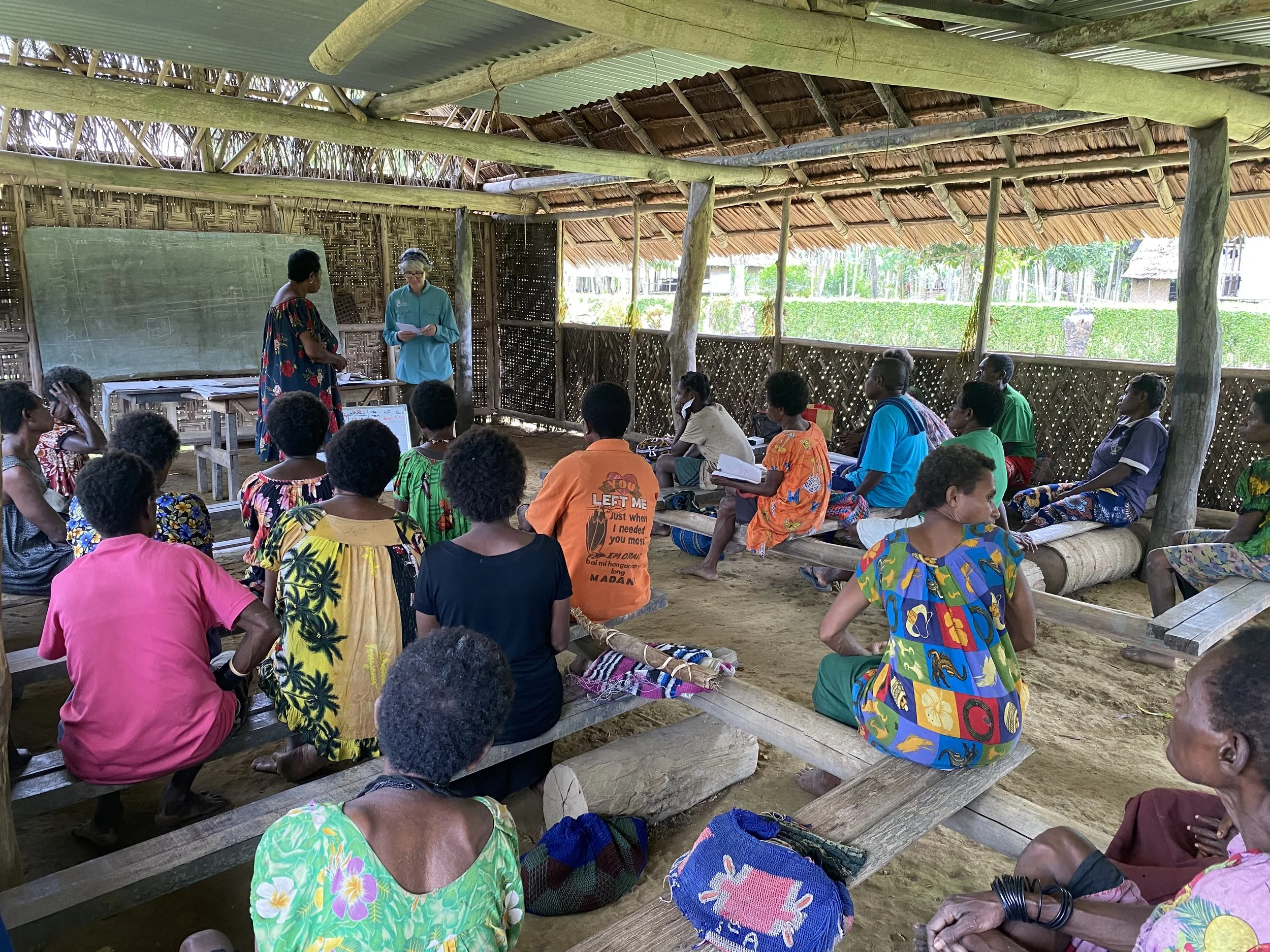
With deep local knowledge and trusted community relationships in East Sepik Province, Living Child has a proven track-record of providing effective, culturally appropriate service delivery across a variety of topics and audiences.
What We Offer
Proven Track Record
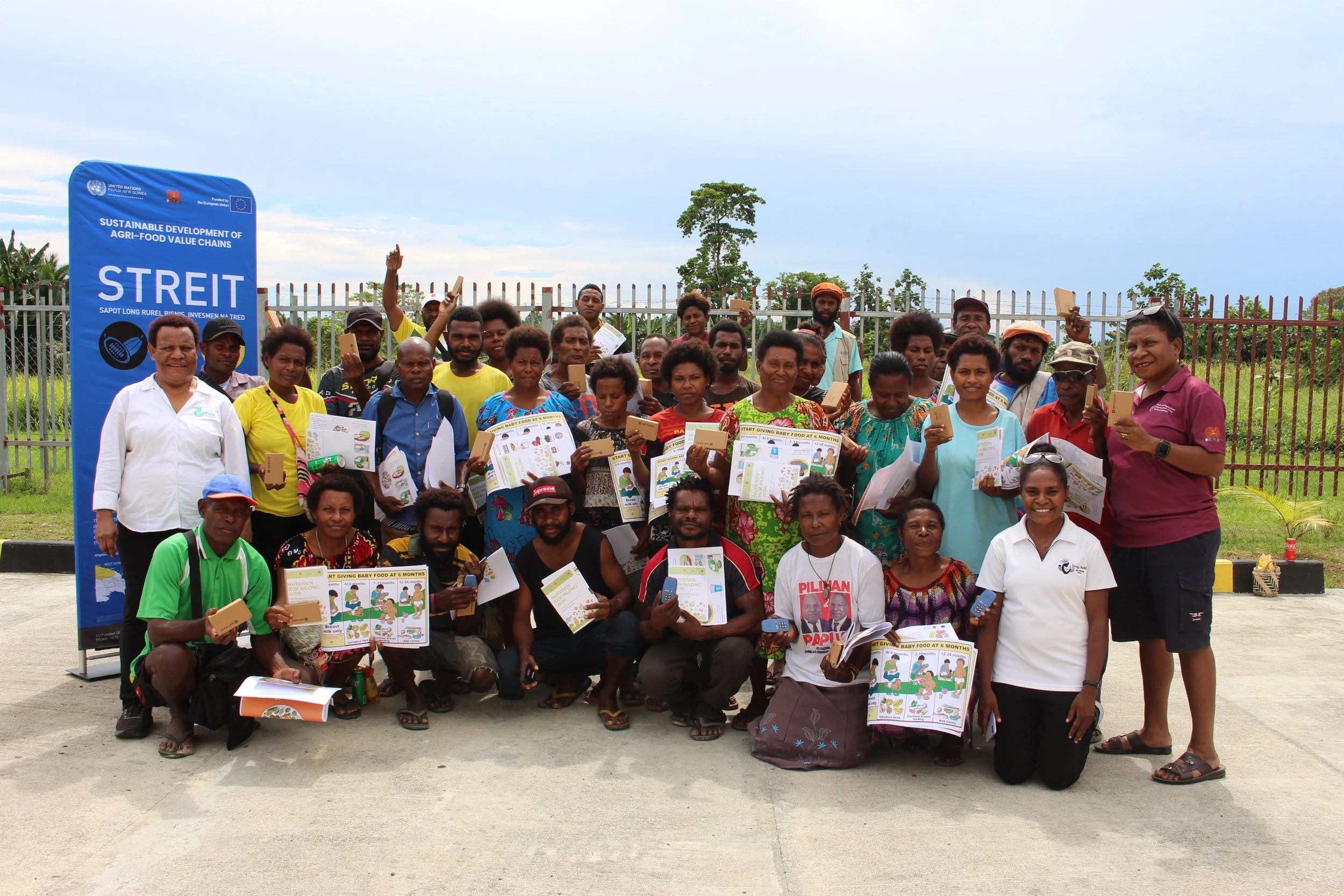
Delivered workshops in a variety of topics to over 5,000 participants across East Sepik, West Sepik, Central and Madang Provinces.
Deep Local Knowledge
14 years of experience working in PNG, and a proven ability to operate effectively in extremely remote locations.
Community-Led Approach
Ability to localise our approach and work in partnership with communities to ensure sustainable progress.
Qualified, Multidisciplinary Team
Team of midwives, nurses, educators, public health experts, management professionals and local trainers.
Strong Partnerships
Collaboration with other NGOs, skilled professionals, provincial health authorities and communities.
530 women
Educated in safe motherhood practices
195 farmers & SMEs
Educated on nutrition
Our Impact
80 Village Health Assistants
Equipped with lifesaving skills
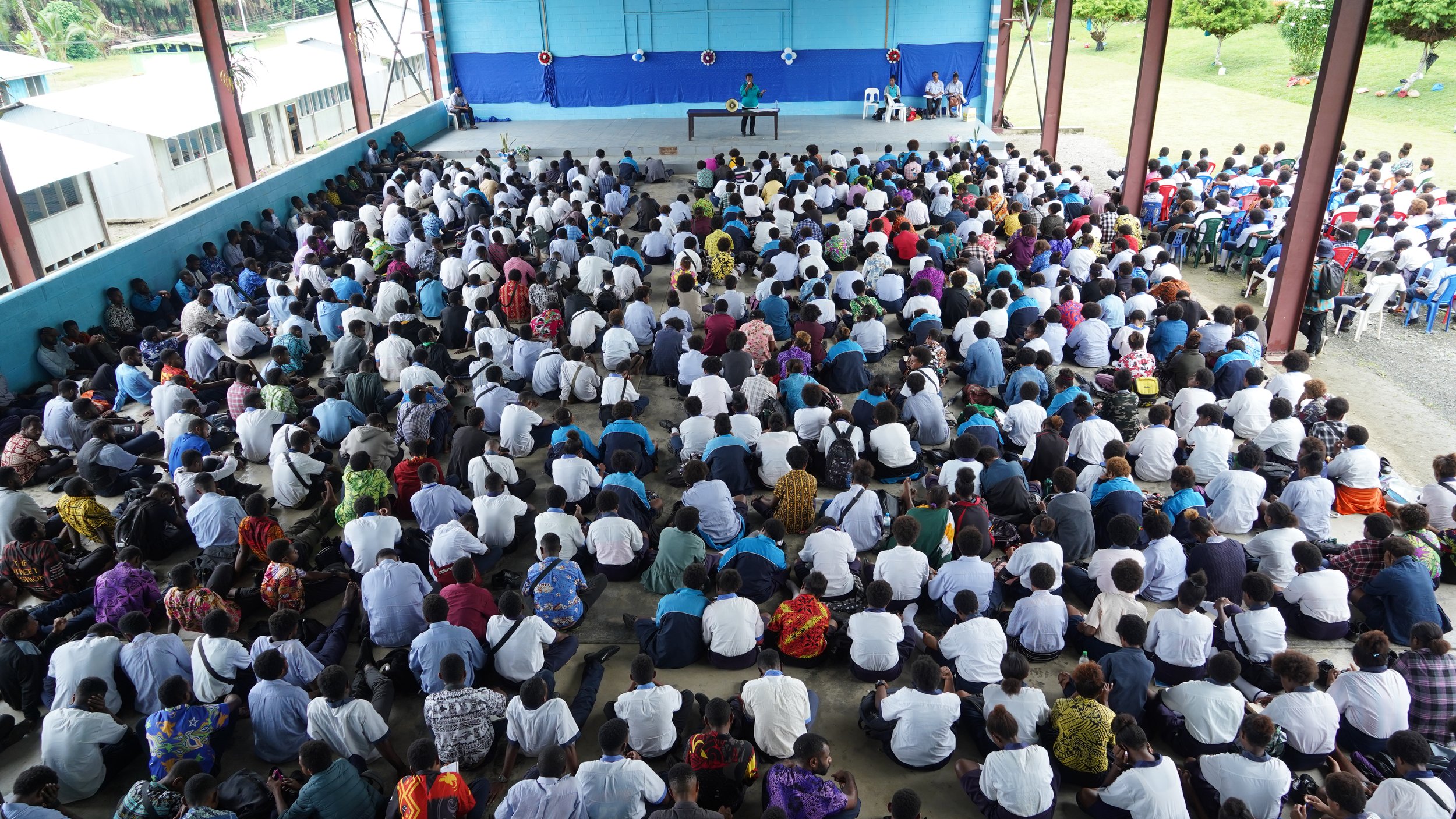
3,297 school students
Participated in nutrition workshops
130 health workers
Upskilled in maternal and child health topics
1,358 women & girls
Educated on menstrual hygiene and given a kit
Our Programs
Maternal Health
Improving maternal and newborn health outcomes through preventative health measures, safe birth support, and access to essential services.
Community Resilience
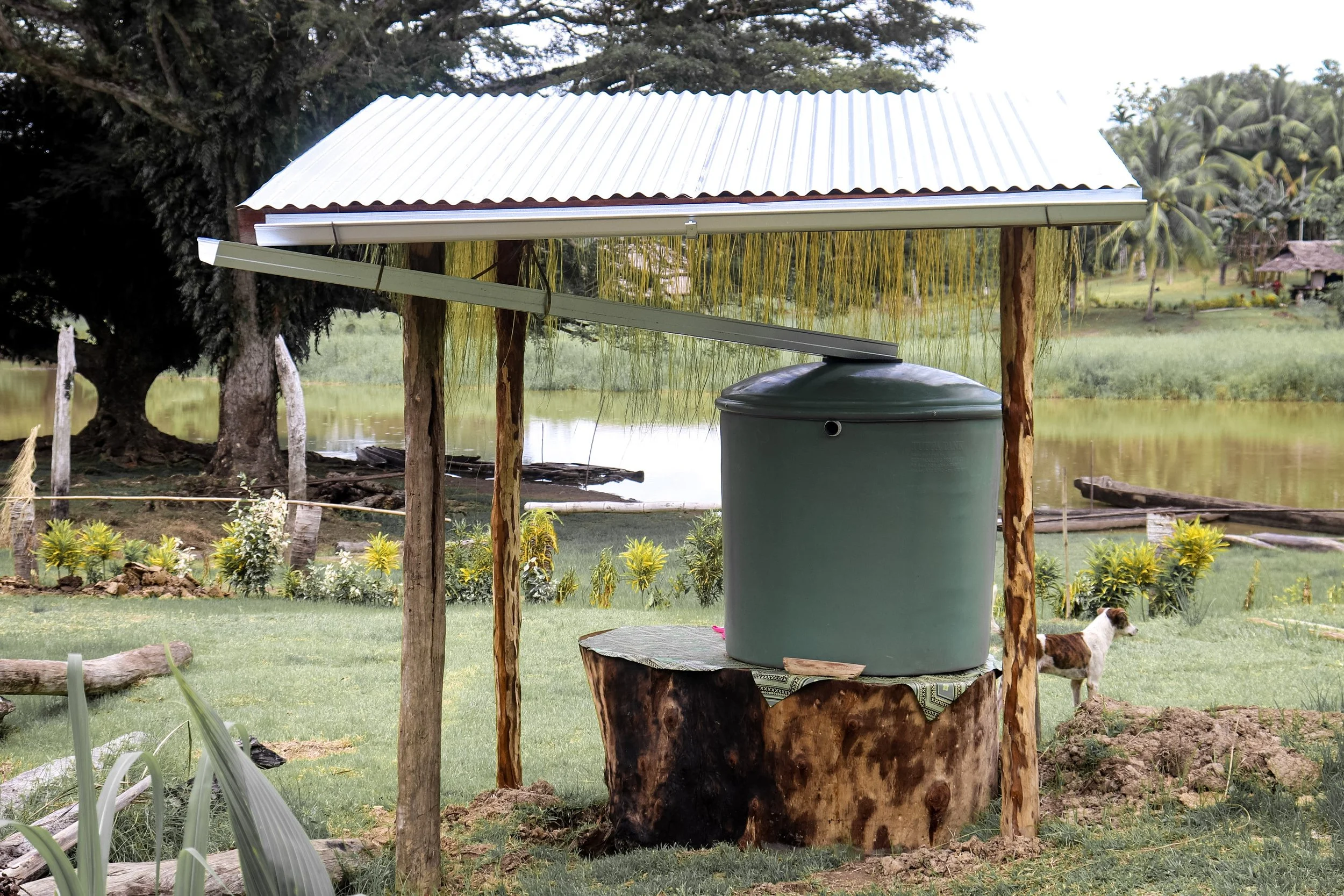
Increasing community and system resilience through infrastructure, energy access, disaster response, and community hubs.